Event details
Date: Friday, February 20, 2026
Time: 8:00 AM – 6:00 PM
Location: B150 Lecture Hall & Atrium, Leslie Dan Faculty of Pharmacy, 144 College St., Toronto, ON. Canada M5S 3M2
Are you passionate about the future of AI, gene editing, drug screening, and diagnostics? Don’t miss out on the chance to connect with leading experts from academia, industry, and government at PRiME’s 7th Annual Symposium!
This event brings together basic science researchers, clinician scientists, industry pioneers, investors, and policymakers to delve into the latest advancements in precision medicine. Explore groundbreaking research, participate in engaging conversations, and discover how today’s innovations are paving the way for tomorrow’s treatments.
Event highlights
- Networking Opportunities with professionals across academia, industry, venture capital, and partnering organizations.
- Keynote Speakers from BIIE/ETH Zürich, Biohub and Bayer.
- Captivating Panel Discussions featuring leading voices from industry.
- Session Speakers pioneering advances in gene editing, drug diagnostics, screening and emerging precision medicine modalities.
- Poster Presentations showcasing emerging talents from U of T and affiliated hospitals.
- Lightning Talks bythe 2025 PRiME Fellows.
Registration details
| Attendee categories | Pricing |
| Student / Postdocs / Trainees | $25 |
| PI / Faculty / Staff | $50 |
| Government / Not-for-profit | $75 |
| Industry / Startup representatives | $100 |
Cancellation policy
- Cancellations will be accepted until January 31, 2026 and are subject to a processing fee. Refunds will not be processed after this date.
- Requests for cancellation must be made in writing to prime.initiative@utoronto.ca.
- Registrations are non-transferable.
Poster Abstracts

Scientific Keynote — Berend Snijder, The Botnar Institute of Immune Engineering (BIIE), ETH Zürich
Group Leader, Botnar Institute of Immune Engineering and ETH Zürich
Berend Snijder is a group leader at the Botnar Institute of Immune Engineering (BIIE) and ETH Zürich, as well as at the Comprehensive Cancer Center Zürich and the Swiss Institute of Bioinformatics (SIB). Research in the Snijder Lab focuses on the systematic functional and multi-omic profiling of human tissues in health and disease, with a strong bioinformatics and clinical/translational focus.
He is a leading figure in the field of functional precision medicine, having developed the pharmacoscopy platform that has led to two successful precision oncology trials (EXALT-1 and DARTT-1), which they currently evaluate in multiple randomized & controlled interventional clinical trials for the treatment of aggressive cancers.
Berend has co-founded three spin-off companies: Allcyte (acquired by Exscientia, now Recursion); Prevision Medicine, working to implement pharmacoscopy as a scalable functional diagnostic device for oncology; and Graph Therapeutics, developing AI- and functionally driven precision immunology.
Talk Title: Implementing functional precision oncology in interventional trials and clinical routine
Talk Abstract: The cellular and molecular systems that determine drug responses in cancer are complex, highly individual, and incompletely understood. As a result, identifying effective treatments for individual cancer patients remains challenging, particularly in relapsed and aggressive disease. To tackle this challenge, we are developing pharmacoscopy (PCY), a platform that measures hundreds of ex-vivo drug responses in small patient biopsies using immunofluorescence, automated confocal microscopy, single-cell image analysis, and machine learning. When combined with biopsy-matched multi-OMIC measurements and clinical data, PCY identifies the molecular and cellular systems that govern treatment response individuality, and empowers drug and biomarker discovery across patient cohorts. In this talk, I will focus on our results from two interventional clinical trials (EXALT-1 and DARTT-1), which showed that Pharmacoscopy-guided therapy can improve clinical outcomes for patients in need, and our experience with evaluating PCY-guided therapy in randomized and controlled precision medicine trials for the treatment of (1) acute myeloid leukemia, (2) ovarian cancer, (3) primary brain tumors, and (4) diverse brain metastases.
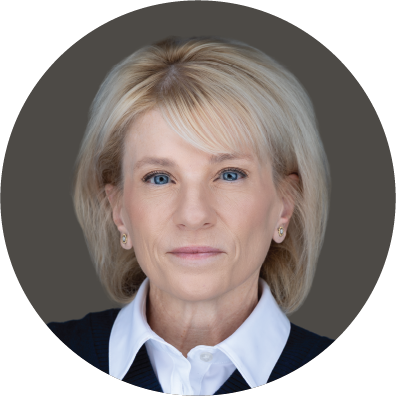
Scientific Keynote — Shana Kelley, Biohub & Northwestern University
President of Bioengineering at Biohub &
Neena B. Schwartz Professor, Departments of Chemistry, Biomedical Engineering, and Biochemistry & Molecular Genetics, Northwestern University
Shana Kelley's Research group has pioneered new methods for tracking molecular and cellular analytes with unprecedented sensitivity. Dr. Kelley’s work has been recognized with the ACS Inorganic Nanoscience Award, the Pittsburgh Conference Achievement Award, the Steacie Prize, an Alfred P. Sloan Research Fellowship, a Camille Dreyfus Teacher-Scholar award, a NSF CAREER Award, a Dreyfus New Faculty Award, and she was also named a “Top 100 Innovator” by MIT’s Technology Review.
Kelley is also a Guggenheim Fellow, a Fellow of the Royal Society of Canada, the Canadian Academy of Health Sciences, and the American Institute of Biological and Medical Engineering.
She is an elected member of the American Academy of Arts and Sciences and the National Academy of Inventors. Her work is extensively cited, and she has over 80 papers cited more than 80 times. Kelley is an inventor on over 50 patents issued worldwide.
She is a founder of four life sciences companies, GeneOhm Sciences (acquired by Becton Dickinson in 2005), Xagenic Inc. (acquired by General Atomics in 2017), CTRL Therapeutics (founded in 2019) and Arma Biosciences (founded in 2021).
Talk Title: New Technologies for Measuring and Mapping Inflammation
Talk Abstract: We are developing engineering-driven technologies to enable direct, high-resolution measurement of molecular and cellular activity within human tissues. By embedding arrays of microsensors and sampling probes in tissue environments, we aim to continuously monitor biochemical and biophysical signals and define how their perturbation drives inflammation and immune dysregulation. These tissue-integrated platforms are coupled with multi-omics profiling and AI-based analysis to generate comprehensive, dynamic models of inflammatory processes.
Our initial efforts focus on human skin tissue, which provides an accessible and physiologically relevant model to dissect inflammatory dynamics. While advances in genomics and single-cell biology have revealed much about the behavior of individual cells, understanding how billions of cells interact within intact tissues remains a major challenge. Our integrated platforms are enabling the first holistic and real-time measurements of immune cell activity within tissue, allowing us to identify molecular tipping points that lead to pathological inflammation. Ultimately, this approach will inform new strategies to predict, prevent, and control inflammation-driven diseases.
Industry Keynote — Alberto Nobili, Bayer
Vice President & Head, Bayer Co.Lab Cambridge, Bayer
Alberto Nobili is the Vice President and Head of Bayer Co.Lab Cambridge at Bayer Pharmaceuticals. Since his appointment in August 2025, he has been instrumental in cultivating strategic partnerships and providing executive guidance to emerging tenants within the Boston innovation ecosystem. Furthermore, he spearheaded the launch of the Bayer Co.Lab Connect program in February 2025, facilitating the global expansion of the incubator network.
Prior to joining Bayer, Dr. Nobili co-founded Dynamic Cell Therapies Inc., a spinoff from the Dana-Farber Cancer Institute dedicated to advancing next-generation CAR-T cell therapies. In this capacity, he played a critical role in securing venture funding, managing intellectual property, and defining the firm’s strategic vision. Additionally, he co-founded 42N Advisors Benefit Corp. in 2021 to support Italian-led high-tech enterprises in the United States.
Dr. Nobili holds a PhD in Biotechnology from the University of Greifswald, specializing in protein engineering, and completed postdoctoral training at Harvard Medical School and the Dana-Farber Cancer Institute. A distinguished researcher and entrepreneur, he has authored 12 scientific publications and holds eight patent filings, reflecting his significant contributions to the fields of biotechnology and scientific innovation.
Talk Title: Accelerating innovation: Insights from a first-time founder
Talk Abstract: In academia, success is measured by rigorous experiments and mechanistic clarity. Yet, many exceptional programs fail to become medicines—not due to flawed science, but because "translatability" was not engineered into the foundation. This session explores the critical gap between high-quality data and commercial viability, focusing on how investors, regulators, and biopharma partners evaluate risk to determine if a program is truly actionable.
Using my personal experience as a first-time founder as a case study, I will introduce Bayer Co.Lab, a global accelerator designed to coach startups toward "decision-readiness" by connecting them with Bayer internal stakeholders and high-density innovation ecosystems. Finally, I will introduce Co.Lab Connect as a strategic opportunity for global ecosystems to connect with Bayer and other innovators, access seasoned C-suite talent, and build durable pathways to global pharmaceutical partnerships.
Moderator

Leah Cowen (VP, Research and Innovation & Strategic Initiatives, University of Toronto; CSO & Co-founder, Bright Angel Therapeutics)
Vice-President, Research and Innovation, & Strategic Initiatives, University of Toronto & Professor, Department of Molecular Genetics, Temerty Faculty of Medicine, University of Toronto & CSO, Co-founder, Bright Angel Therapeutics
Leah Cowen is Vice-President, Research and Innovation, and Strategic Initiatives at the University of Toronto, Professor in the Department of Molecular Genetics, co-Director of the CIFAR Fungal Kingdom: Threats & Opportunities program, and co-Founder and Chief Scientific Officer of Bright Angel Therapeutics, a company focused on development of novel antifungals. She has received a Burroughs Wellcome Fund Career Award, Grand Challenges Canada Star in Global Health Award, E.W.R. Steacie Award, and Canada Research Chair in Microbial Genomics & Infectious Disease. She is an elected Fellow of the Royal Society of Canada, Canadian Academy of Health Sciences, American Academy of Microbiology, and American Association for the Advancement of Science. Her laboratory takes an interdisciplinary approach to understand how fungi cause human disease and evolve resistance to antifungal drugs, leveraging fundamental insights to advance development of new strategies to treat life-threatening infectious disease.
Panelists

Philip Kim (CTO & Co-founder, Fable Therapeutics)
CTO, Co-founder, Fable Therapeutics & Professor, Canada Research Chair Tier 1 (Machine Learning in Protein and Peptide Science), University of Toronto
Philip M. Kim is a professor at the University of Toronto at the Donnelly Centre and the Departments of Computer Science and Molecular Genetics, as well as the Chief Technology Officer of Fable Therapeutics, a biotechnology startup company using AI methods to develop biologics. Fable is developing its own pipeline of therapeutics in the metabolic space and has offices in Toronto and Boston.
In his academic research, Dr. Kim has been developing novel machine learning methods for protein and peptide engineering and authored over 100 publications, 7 invention disclosures and 5 patent applications. He has co-founded several biotechnology companies, including Fable Therapeutics and TBG Therapeutics and serves as consultant and member of the scientific advisory board for others.
Before setting up his lab in 2009, he was a postdoctoral fellow at Yale University and an associate with McKinsey & Co. He holds a Ph.D. from the Artificial Intelligence Laboratory and Department of Chemistry at the Massachusetts Institute of Technology and a B.S. in Physics and Biochemistry from the University of Tuebingen.

Jennifer Moody (VP, Danaher Corp.)
Vice President, External Innovation, LS Omics Solutions Group, Danaher Corp.
Jennifer Moody is an industry veteran in enabling cell and gene therapies. Her experience has spanned the value chain from reagent development and raw material sourcing through therapeutic product development. Her expertise includes cell and gene therapy, business operations, technical diligence, alliances and partnerships.
She is currently at Head of External Innovation, Life Science Omics Solutions Group (including Genomic Medicine) at Danaher Corporation, and is based in Toronto, Canada. Previous roles include Gene Therapy Market Development at Pall Corporation, key operational positions at iPSC derived-cell therapy therapeutic startups, Morphocell Technologies and Bluerock Therapeutics, business development and technology diligence leadership at the Centre for the Commercialization of Regenerative Medicine and R&D at STEMCELL Technologies.
She is a stem cell scientist by training, having completed a PhD in Genetics from the University of British Columbia in Vancouver and a postdoc studying hematopoietic stem cells at the Lund Stem Cell Center in Lund, Sweden. Selected for the Pfizer-sponsored AdMare Executive Leadership training program (2019 cohort), Jennifer also serves as a Board member for The Metabolomics Innovation Center, on the Manufacturing, Clinical Translation, and Industry Committee of ISSCR, and as a Creative Destruction Lab (CDL) Advisor.

Julie Audet (Co-founder, boutIQ Solutions Inc.)
CEO, Co-founder, boutIQ Solutions Inc. & Professor, Biomedical Engineering, University of Toronto
Julie Audet is a Professor in Biomedical Engineering at the University of Toronto. Her early career was defined by her groundbreaking work within the first group of bioengineers who envisioned stem cell therapy manufacturing. At that time, Prof. Audet successfully applied process engineering methods to expand blood stem cells in culture while maintaining their regenerative capacity, for transplantation. She contributed to many studies and patents over the last 20 years related to the investigation of various stem cell culture systems.
During the last decade, she has led the development and validation of machine learning algorithms for self-driven exploration of extremely large parameter spaces, specifically tailored for stem cell culture optimization. She is the co-founder of boutIQ solutions and co-inventor of HiDiNeu, boutIQ’s core technology, which has been used successfully to discover chemically-defined cell culture medium for cell therapy, tissue engineering and cellular agriculture.
Prof. Audet is also dedicated to teaching and training the next generation of biomedical researchers in her area of expertise; she has developed and delivered courses in bioprocess optimization, statistical design of experiments and data analytics.

Matteo Aldeghi (Senior Director & Head, Machine Learning Research, Bayer)
Senior Director & Head, Machine Learning Research, Bayer, Cambridge
Matteo Aldeghi leads Machine Learning Research within the R&D department of Bayer Pharmaceuticals, where he is responsible for the development and application of novel machine learning and AI solutions. A chemist by training, he carried out research in biomolecular simulations and drug design at University of Oxford, where he obtained his PhD, and at the Max Planck Institute for Biophysical Chemistry as a Humboldt Research Fellow. He then worked at the interface of machine learning with chemistry and biology as a Postdoctoral Fellow at the Vector Institute and the University of Toronto, and continued pursuing novel data-driven solutions for molecular design and drug discovery at MIT and Google Research, before joining Bayer.

Chadwick King (AVP Research, Immunoengineering & Site Head, Amgen, BC)
Associate Vice President, Research, Immunoengineering & Site Head, Amgen, British Columbia
Chad King is Associate Vice President of Research, Large-Molecule Immunoengineering at Amgen, where he leads teams responsible for the earliest stages of biologics discovery. In this role, he oversees the development of next-generation antibody and immunoengineering platforms that translate scientific ideas into therapeutic candidates ready for downstream engineering and preclinical development.
Working in close collaboration with scientists across Amgen’s Global Research organization, Chad’s teams integrate immunology, molecular bioengineering, data science, and predictive human biology to enable scalable, translational discovery. This work supports programs across Oncology, Inflammation, Cardiometabolic Disorders, and Rare Disease, with a clear focus on advancing innovative technologies into medicines with meaningful patient impact.
Chad also serves as Site Head of Amgen British Columbia. He is a contributing inventor on two approved medicines now benefiting patients worldwide and brings an industry perspective on advancing emerging large-molecule platforms from early innovation to clinical impact.

Stephane Angers
Charles H. Best Chair of Medical Research, Professor and Director Donnelly Centre for Cellular + Biomolecular Research, Department of Biochemistry, Temerty Faculty of Medicine, University of Toronto
Dr. Stephane Angers is an internationally recognized expert in signal transduction. He earned his Ph.D. from the Université de Montréal in 2002 under the supervision of Dr. Michel Bouvier, where his doctoral research led to the development and application of light energy transfer methodologies to study protein–protein interactions and cellular signalling. From 2002 to 2006, he was a Howard Hughes Medical Institute Postdoctoral Fellow at the University of Washington in Seattle in the laboratory of Dr. Randall T. Moon. During this period, he identified and characterized novel components of the Wnt signalling pathway and discovered a new class of E3 ubiquitin ligases.
In October 2006, Dr. Angers established his independent research program at the University of Toronto, with appointments in the Department of Pharmaceutical Sciences, Faculty of Pharmacy, and the Department of Biochemistry. He currently holds the Canada Research Chair in Functional Architecture of Signal Transduction. His research focuses on understanding Wnt growth factor signalling in development, adult tissue homeostasis, and human disease. His pioneering work has enabled the development of novel antibody-based therapeutics that block or activate Wnt signalling for applications in cancer and regenerative medicine.
Dr. Angers is the scientific co-founder of AntlerA Therapeutics, which was acquired by Roche in 2024. His work led to the development of Restoret (MK-3000), a trispecific tetravalent FZD4:LRP5 agonist currently in Phase 2b/3 clinical trials for diabetic macular edema. In September 2021, Dr. Angers was appointed Director of the Donnelly Centre for Cellular and Biomolecular Research at the University of Toronto.
Talk Title: Turning Wnt On to Treat Blindness: From Idea to Clinical Reality
Talk Abstract: Vision loss in major retinal diseases is often driven by vascular dysfunction and breakdown of the blood–retina barrier (BRB), leading to leakage, edema, and inflammation. While anti-VEGF therapies have improved outcomes for many patients, a substantial fraction experience persistent fluid or require frequent injections, motivating complementary approaches that directly restore vascular stability.
Canonical Wnt/β-catenin signaling is a key developmental pathway that governs retinal vascularization and BRB integrity, with the Norrin–Frizzled4–LRP5/6 axis playing a central role. However, therapeutic activation of Wnt signaling has been difficult because native Wnt ligands are lipid-modified, poorly soluble, challenging to manufacture, and can produce pleiotropic effects.
We developed a tetravalent antibody modality that enables potent, selective activation of β-catenin signaling by inducing higher-order clustering of Frizzled and LRP5/6 receptors at the cell surface. These engineered molecules—Frizzled and LRP5/6 Agonists (FLAg)—are soluble, possess antibody-like properties, and robustly activate canonical Wnt signaling in cells, organoids, and animals. Using this platform, we showed that a selective Frizzled4–LRP5 FLAg functions as a Norrin-mimetic capable of promoting BRB function and vascular stabilization programs.
This work has progressed from mechanistic concept to clinical translation. A therapeutic antibody derived from this platform, “Restoret,” is entering Phase 3 clinical trials for retinal vascular diseases, including diabetic macular edema and age-related macular degeneration. Together, these advances highlight antibody-mediated receptor clustering as a practical strategy to “turn on” Wnt signaling with receptor precision to treat blindness.

Joseph Brown
Assistant Professor, Leslie Dan Faculty of Pharmacy, University of Toronto
Faculty Advisor, Medicinal Chemistry Self-Driving Lab, Acceleration Consortium
Joseph S. Brown is an Assistant Professor at the Leslie Dan Faculty of Pharmacy (Jan 2026) and Faculty Advisor to the Medicinal Chemistry Self-Driving Lab (MedChem SDL) at the University of Toronto. His research combines automated chemistry, bioassays, and machine learning for peptide and peptidomimetic drug discovery. Before his faculty appointment, Joseph was a Staff Scientist with the MedChem SDL, helping build automated assays and models for the navigation of chemical space for the discovery and optimization of therapeutic candidates. He was previously a PhRMA Foundation Drug Discovery Postdoctoral Fellow at the Massachusetts Institute of Technology with Bradley Pentelute. Though he led projects in phage display, medicinal chemistry, and automated chemical synthesis of proteins, Joseph specialized in combining machine learning (deep and unsupervised) with affinity selection-mass spectrometry (AS-MS) to identify high-affinity ligands from diverse peptide and abiotic libraries. Last, Joseph earned his PhD in Chemical and Biomolecular Engineering from Cornell University with Chris Alabi as a National Science Foundation Graduate Research Fellow. His doctoral work combined organic chemistry and biological characterization to design and evaluate antimicrobial peptidomimetics, establishing mechanistic and structure-activity relationships that continue to inform his approach to molecular design.
Talk title: Machine learning approaches for peptide self-driving discovery
Talk Abstract: Peptide and peptidomimetic therapeutics continue to gain traction, yet the engineering of initial peptide hits using noncanonical chemistry are limited due to lack of data and applicable machine learning (ML) methods and data. Here, I present methods we believe will unlock data generation throughput and ML for noncanonical chemistry. Specifically, I will present the use of affinity-selection mass spectrometry (AS-MS), quantitation comparisons of MS data, active learning frameworks, and unsupervised ML to discover, map, and exploit regions of peptide sequence space toward predictive power for noncanonical chemistries. These methods have been validated by synthesis and wet-lab experimentation using biolayer interferometry with high accuracy (78%) and confirmed low-nanomolar to picomolar binders, including a 210 pM peptide containing both canonical and noncanonical residues. For more challenges including permeability, stability, and selectivity optimization, I will outline a broader vision for applying these principles and methods within a self-driving laboratory (SDL) framework and propose specific discovery and development projects to be carried out in our new lab at the University of Toronto.
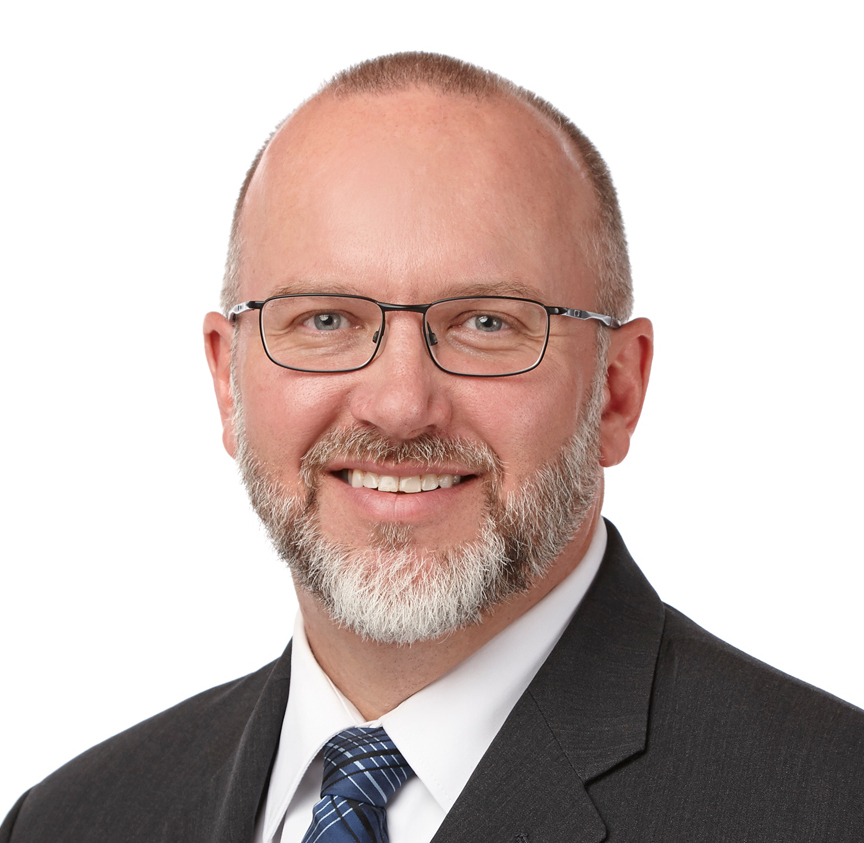
Craig Simmons
Distinguished Professor, Mechanical and Biomedical Engineering, University of Toronto
Scientific Director, Translational Biology & Engineering Program, Ted Rogers Centre for Heart Research
Craig Simmons is the University of Toronto (UofT) Distinguished Professor of Mechanobiology in the Department of Mechanical and Industrial Engineering and the Institute of Biomedical Engineering. His research group innovates in the areas of cardiovascular disease and regeneration, with a focus on clinical and commercial translation. Craig also serves as the Scientific Director of the UofT Translational Biology and Engineering Program and as co-lead of TRANSFORM HF, a UofT Strategic Initiative. With partners in the Ted Rogers Centre for Heart Research, these bold initiatives aim to dramatically improve heart health for all through discovery science, regenerative medicine, and digital health.
Talk Title: Organ-on-chip technologies for modeling and monitoring biological barrier function
Talk Abstract: Microfluidic organ-on-chip systems that recapitulate specific human organ structures and functions hold great promise as advanced culture models for biological research, disease modeling, and drug development. Organs-on-chips are particularly well-suited for modeling biological barriers (e.g., vascular, epithelial) as they can mimic key aspects of the barrier microenvironment, including multiple interacting cell types, extracellular matrix, and fluid shear stresses. However, broad adoption of barrier-on-chip models has been hindered by their operational complexity, low throughput, and limited incorporation of biosensors for on-chip assays.
To facilitate adoption and translation of barrier-on-chip models, we have developed VitroFlo, a microfluidic system that enables 3D co-culture in a simple-to-use multi-well configuration. Of particular relevance to barrier modeling, unidirectional physiological fluid flow can be applied without the complexity of pumps, enabling facile long-term dynamic culture. To improve utility, we have also integrated novel sensors on-chip for sensitive, real-time measurement of cell barrier impedance with cell growth, barrier disruption, and fluid shear responses.
In this talk, I present the VitroFlo platform as an integrated user-friendly, scalable, and cost-effective system for barrier modeling, and will discuss its recent application to reveal insights into the role of perfusion on blood-brain barrier function in stem cell-derived models of Alzheimer’s disease

Andrew Sage
Assistant Scientist, Toronto General Hospital Research Institute, University Health Network
Assistant Professor, Department of Surgery, Temerty Faculty of Medicine, University of Toronto
Dr. Andrew Sage is an Assistant Scientist at UHN and an Assistant Professor at the University of Toronto specializing in multidisciplinary research in biochemistry, pharmaceutical sciences, and lung transplantation research. His program focuses on developing innovative biomarkers and medical devices that improve surgical decision-making and transplant outcomes. Dr. Sage is recognized for ground-breaking achievements such as the world’s first drone-delivered human lung for transplant in 2021 and the creation of InsighTx, a leading machine-learning model for assessing donor lung suitability, in 2023. Most recently, his team has pioneered the development of digital twins of human organs by leveraging UHN’s advanced ex vivo organ perfusion systems.
Talk Title: The Future of Drug Discovery Through Digital Twins of Human Organs
Talk Abstract: Advances in drug discovery increasingly require rethinking traditional preclinical strategies for evaluating and identifying promising therapeutics. In recent years, there has been a clear shift away from animal-based disease models toward human-relevant systems, particularly those capable of integrating artificial intelligence. Digital twins have emerged as a promising in silico technology that enables more efficient and precise assessment of therapeutic effects. Their development, however, has been limited by the scarcity of comprehensive multimodal datasets needed for accurate modeling.
Our team is addressing this challenge by leveraging ex vivo perfusion of human organs. Ex vivo organ perfusion (EVOP) maintains donated human organs under physiological conditions for extended periods, creating a unique opportunity to acquire the breadth and resolution of data required for digital twin development. Using this platform, our group at UHN and the University of Toronto is building digital twins of human organs to evaluate therapeutics directly in a perfused human organ with a high-fidelity virtual counterpart. To date, we have developed more than 300 machine-learning models that mirror lung function with over 95 percent accuracy and can quantify therapeutic efficacy using real-world evidence.

Cindi Morshead
Professor & Chair, Division of Anatomy, Department of Surgery, University of Toronto
Professor, Institute of Biomedical Engineering
Dr. Cindi Morshead is a tenured Professor and Chair of the Division of Anatomy. She received her PhD from the University of Toronto where her work led to the discovery the endogenous niche for adult neural stem cells. She started her lab in 2003 as a faculty member in the Department of Surgery. Dr. Morshead has achieved significant recognition for her research excellence in the field of stem cell biology and regenerative medicine. She is the recipient of research and mentorship awards and has engaged in a number of leadership roles. Her lab’s expertise is in neurobiology, preclinical models of injury/disease, bioengineering and lineage analyses. Her team has developed innovative methodologies for the treatment of brain injury, contributing to ongoing clinical trials and pursuing novel strategies to activate neural repair mechanisms including the application of electrical stimulation and astrocyte to neuron cellular reprogramming to replace lost cells.
Talk Title: From astrocytes to repair: Advancing innovative gene therapies to treat neurological disorders
Talk Abstract: Neurological disorders, caused by the loss or dysfunction of neurons in the brain, are increasingly prevalent in individuals as they age. With advances in healthcare, the aging population is increasing dramatically, with 1.5 billion people expected to be over the age of 65 by 2050. Once neurons in the central nervous system are lost, they cannot be replaced, resulting in a devastating loss of motor, sensory and cognitive abilities. Currently, there are no therapeutic strategies to treat these disorders. Recent advances have shown that direct cellular reprogramming of glial cells (specifically astrocytes) to neurons, is a promising intervention to replace lost cells. I will discuss our goal of advancing gene therapy to treat the injured brain and our studies showing that the ectopic expression of neurogenic genes, specifically in astrocytes, leads to improved functional outcomes in pre-clinical models of stroke.

Haissi Cui
Assistant Professor, University of Toronto
Haissi Cui is an Assistant Professor in the Department of Chemistry. Her research focuses broadly on RNA processes in mammalian cells. To this end, her group develops new chemical tools to probe RNA processes, characterizes cell line and animal models to study rare neurodevelopmental disorders caused by a dysregulation of RNA-binding and modifying proteins, and explores new approaches to RNA therapies.
Talk Title: Subcellular organization of genetic code interpretation in neurodevelopmental disorders
Talk Abstract: Aminoacyl-tRNA synthetase assign amino acids to their cognate tRNA and thereby enable the correct interpretation of the genetic code during mRNA translation. Due to their central role in protein synthesis, mutations in aminoacyl-tRNA synthetases can cause severe diseases, specifically developmental brain disorders.
While many of these disease-causing mutations disrupt the enzymatic activity of aminoacyl-tRNA synthetases, a subset of mutations is found in domains which mediate their integration into the multisynthetase complex, a large assembly of aminoacyl-tRNA synthetases with poorly understood functions. My group and I study how the organization of aminoacyl-tRNA synthetases influences their biology and can cause disease. To this end, we use custom mouse and cell line models as well as chemical tools to interrogate what happens upon mutations in aminoacyl-tRNA synthetases and their interaction partners.
Overall, we strive to investigate the role of the multisynthetase complex in neurodevelopment and understand the contribution of aminoacyl-tRNA synthetase organization to physiological and pathological processes.
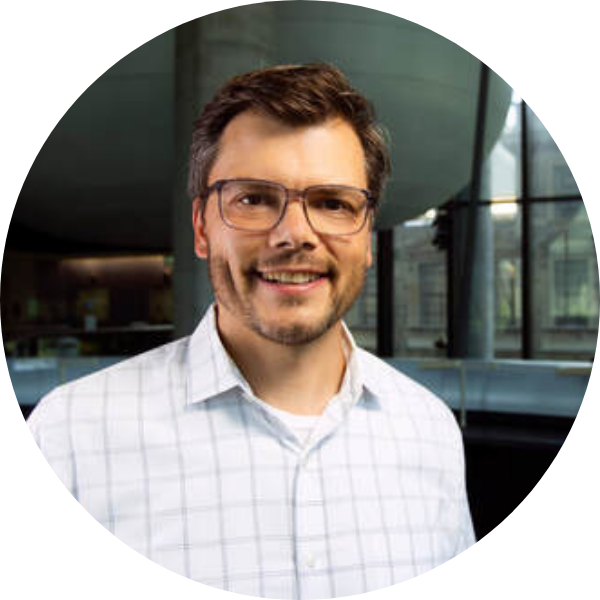
Keith Pardee
Associate Professor; Leslie Dan Faculty of Pharmacy, University of Toronto; Canada Research Chair in Synthetic Biology and Human Health
Keith Pardee works in synthetic biology, focusing on pioneering in vitro technologies that expand access to health care through low-burden biotechnologies. Using cell-free enzyme systems, his lab develops molecular diagnostics (e.g., Zika, dengue) and platforms for therapeutic discovery and biomanufacturing, which is paired with the computational design of peptides and proteins. These efforts have led to three trainee-led start-ups: LSK Tech, Liberum Bio, and En Carta Diagnostics.

Maryam Ali
PhD candidate, University of Toronto Mississauga (UTM) & Leslie Dan Faculty of Pharmacy (LDFP)
Maryam Ali is a fifth-year PhD candidate in Prof. Jumi Shin’s laboratory at the University of Toronto Mississauga (UTM). She completed her Honours Chemistry Co-op degree at the University of Waterloo in 2021. Her doctoral research focuses on both rational engineering and non-rational design of DNA-binding proteins, including synthetic modulators developed for applications in biological circuits and protein therapeutics. A major component of her work involves optimizing a directed evolution platform-enhanced mutagenesis phage-assisted evolution - to improve the robustness and functionality of engineered proteins.
Over the past two years, Shin’s lab has collaborated with Dr. Micheline Piquette-Miller’s group at the Leslie Dan Faculty of Pharmacy, University of Toronto, to evaluate anti-cancer protein therapeutics in cell lines and mouse models. Maryam’s 2025 PRiME Fellowship project is titled ‘Designer Protein Drugs for Targeting Breast and Ovarian Cancer.’

Ruilin Wu
PhD candidate, University Health Network (UHN) & Faculty of Applied Sciences and Engineering (FASE), University of Toronto
Ruilin Wu is a graduate student in the Department of Laboratory Medicine and Pathobiology at the University of Toronto, under the supervision of Dr. Jason Fish. His research focuses on understanding the biological mechanisms underlying brain arteriovenous malformations (bAVMs), a vascular disease characterized by abnormal blood vessel growth in the brain that significantly increases the risk of hemorrhage and other serious neurological complications. Currently, there are no validated drug therapies for the treatment of bAVMs.
With support from the PRiME Fellowship and in collaboration with Prof. Milica Radisic’s laboratory, Ruilin has developed high-throughput human blood vessel models to enable therapeutic screening and to investigate novel drug treatment strategies for this disease. Working alongside interdisciplinary researchers and clinicians, his team aims to advance the future clinical care of brain arteriovenous malformations by developing safe, effective, and precision-based therapeutic options for patients. Ruilin’s 2025 PRiME Fellowship project is titled ‘Development of Precision Therapies for Brain Arteriovenous Malformations.’

Sathishkumar Narayanaswamy
Postdoctoral Fellow, Faculty of Arts and Sciences (FAS), University of Toronto & The Hospital for Sick Children (HSC)
Sathishkumar Narayanaswamy is a Postdoctoral Fellow at the University of Toronto and a 2025 PRiME Fellow, affiliated with the University of Toronto and The Hospital for Sick Children (SickKids). His PRiME Fellowship project is co-funded by Toronto Innovation Acceleration Partners (TIAP). He holds a PhD in Chemical Engineering and has extensive expertise in microfluidics, immunoassay development, and nanomaterial-based diagnostic platforms. His doctoral and postdoctoral research has focused on translating fundamental engineering principles into low-cost, scalable technologies for point-of-care diagnostics and biomedical applications.
As a PRiME Fellow, Sathish is developing nano-linked PROTACs and bifunctional degraders, integrating nanoparticle engineering with chemical biology to enhance targeted protein degradation for cancer therapy. His work emphasizes bioconjugation strategies and close collaboration across interdisciplinary research teams.
Sathish has authored peer-reviewed publications, presented at international conferences, and has experience managing research projects, budgets, and collaborative initiatives. His long-term goal is to advance translational technologies that bridge academic research, innovation, and real-world biomedical impact. Outside the lab, he enjoys exploring emerging technologies, refining experimental design strategies, and mentoring trainees interested in diagnostics, nanotechnology, and next-generation therapeutic modalities.

Yuxi Xiao
Postdoctoral Fellow, The Hospital for Sick Children (HSC) & Faculty of Arts and Sciences (FAS), University of Toronto
Yuxi Xiao is a Postdoctoral Fellow at the Hospital for Sick Children and the University of Toronto. She earned her PhD in Molecular Genetics from the Temerty Faculty of Medicine, University of Toronto, as a direct-entry student supported by a merit entrance scholarship. She completed her undergraduate studies at Zhejiang University, graduating with a Chu Kochen Honours Degree (top one percent) and publishing three peer-reviewed papers.
Her research combines evolutionary analysis with high-throughput approaches, including genome-wide CRISPR screens, proteomics, and high-content imaging, to study how biomolecular condensates mediate cellular stress responses. During her PhD, she discovered a conserved condensate that regulates cellular homeostasis under osmotic stress, providing mechanistic insights into WNK kinase regulation and condensate-mediated signaling, with implications for disorders such as familial hypertension. She now focuses on intrinsically disordered protein regions, generating large-scale data to guide synthetic design of disordered sequences and predict their function in stress-responsive condensates.

Lily Takeuchi
PhD candidate, Faculty of Applied Sciences and Engineering (FASE), University of Toronto & University Health Network (UHN)
Lily Takeuchi is a fifth-year PhD candidate in the Faculty of Applied Science and Engineering at the University of Toronto, conducting her research in Prof. Craig Simmons’ laboratory at the Institute of Biomedical Engineering, in collaboration with Prof. Lorraine Kalia’s laboratory at University Health Network (UHN). Prior to her PhD, she completed her Master’s degree in 2019 in Pathology and Laboratory Medicine at the Centre for Blood Research, University of British Columbia, where she investigated polymer-based therapeutics.
Her current research focuses on the development of microfluidic systems to model neurodegenerative diseases. Lily’s 2025 PRiME Fellowship project investigates how flow-induced shear stress protects against vascular dysfunction in a stem cell–derived microfluidic model of the blood–brain barrier in Alzheimer’s disease.
Sponsors